

Tactics
Troop Leading Procedures
Receive the mission
Issue a Warning Order (WARNO)
Make a tentative plan
Start Necessary Movement
Conduct Reconnaissance
Complete the plan
Issue the complete order
Supervise and refine
How to debrief
What was the mission?
Main vs Sub-Objectives
How was It executed?
Step by step
Decisions made...
Why?
Was the goal accomplished? - Why?
Not accomplished? - Why?
Why??
4 P's: Plan, preparation, people, process
What now?
What are you changing/going to change?
What was learned?
SAULTE
Size of enemy force
Activity
Last known location
Unit type of designation
Time enemy was last observed
Equipment enemy possesses
EOD/9LINE LINE report
Date/time group discovered
Reporting activity
Unit designation and location
Contact method
Radio frequency/call sign or phone number
Type of munition
A=Dropped, B=Projected, C=Placed, D=Thrown
NBC Contamination
Yes - Identify, No
Resources threatened
Which one(s)?
Impact on Mission
Protective measures taken
Recommended priority
A=Immediate, B=Indirect, C=Minor, D=No Treat
** Say break between each line
Link to UXO 9 Line card
9LINE MEDEVAC
Grid location of pick-up site (coordinates)
Radio frequency, call sign
Number of patients by precedence
Report only applicable info & encrypt brevity codes.
A = Urgent, B = Urgent-Surgical, C = Priority, D = Routine, E = Convenience
Special equipment
A = None, B = Hoist, C = Extraction equipment, D = Ventilator
Number of patients by type
Number/type of wound Injuries (peacetime)
N = No enemy troops in area, P = Possibly enemy troops in area (approach with caution), E = Enemy troops in area (approach with caution), X = Enemy troops in area (armed escort required)
Method of marking
. A = Panels, B = Pyrotechnic signal, C = Smoke Signal, D = None, E = Other
Patient nationality and status
A = US military, B = US civilian, C = Non-US mil, D = Non-US civilian, E = EPW
Terrain description
9. NBC Contamination (Wartime)
Include this line only when applicable.
N = nuclear, B = biological, C = chemical.
** Say break between each line
Link To Print 9 Line Card !
UXO/IED
Confirm the presence of a suspected UXO Item
Clear all personnel to a safe position/location
Cordon - restrict all foot/vehicular movement
Check for other UXOs
Control - only authorized personnel in the area
** UXO - Unexploded Ordinance; IED - Improvised Explosive Device
Formations
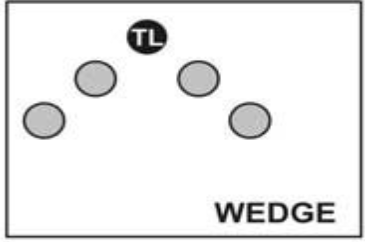
Wedge
Pros: it is easily controlled, provides all-around security, fire is adequate in all directions, and it is flexible
Cons: can't move very fast
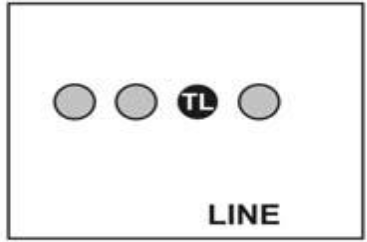
Line
Pros: good when searching an area for something
Cons: vulnerable to fire
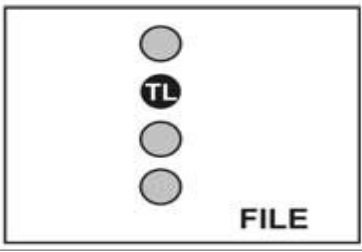
File
Pros: permits rapid and easily controlled movement and permits fire and maneuver to the flanks
Cons: vulnerable to fire from the front and the ability to fire to the front is limited
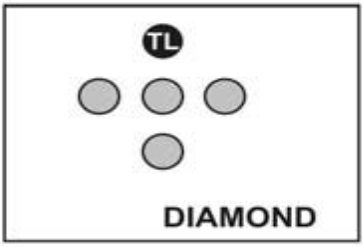
Diamond
Pros: good to protect a person or thing, easily controlled
Cons: can't move very fast
MARCH
Massive Bleeding
Rake - feel the person's body from head to toe
Apply pressure if necessary
Types of bleeding:
Arterial - bright red, spurting blood, pulsing flow, most urgent
Venous - dark red, steady but slow flow
Capillary - slow and even flow, usually superficial and not urgent
Airway
Look for obstructions; remove with finger if necessary
Respiration
Chest rising/falling
Feel breath from nose
Circulation
Pulse points: neck, wrist, groin, foot
Hypothermia
Check if extremities are cold, blue, or pale
Terms & Positions to know
Entry Control Point: a location and/or personnel established to screen persons and articles entering the secure area
Cover: protection from the effects of direct and indirect fires (ex: standing behind bulletproof glass - you are still visible to the enemy, but protected from fire)
Concealment: protection from observation and surveillance (ex: hiding under a tarp - you are not visible, but could still be hit by enemy fire)
Rules of Engagement (ROEs): directives issued by the commander that explain when, under what circumstances, and how and how much force a solider may use